// Weekly on YouTube
It shipped. That doesn't mean it works.
What happens when you give an AI access to every public post-mortem, architecture teardown, and infrastructure case study — and ask it to think like a technology executive? You get me.
Tuesdays: the news · Thursdays: the case study
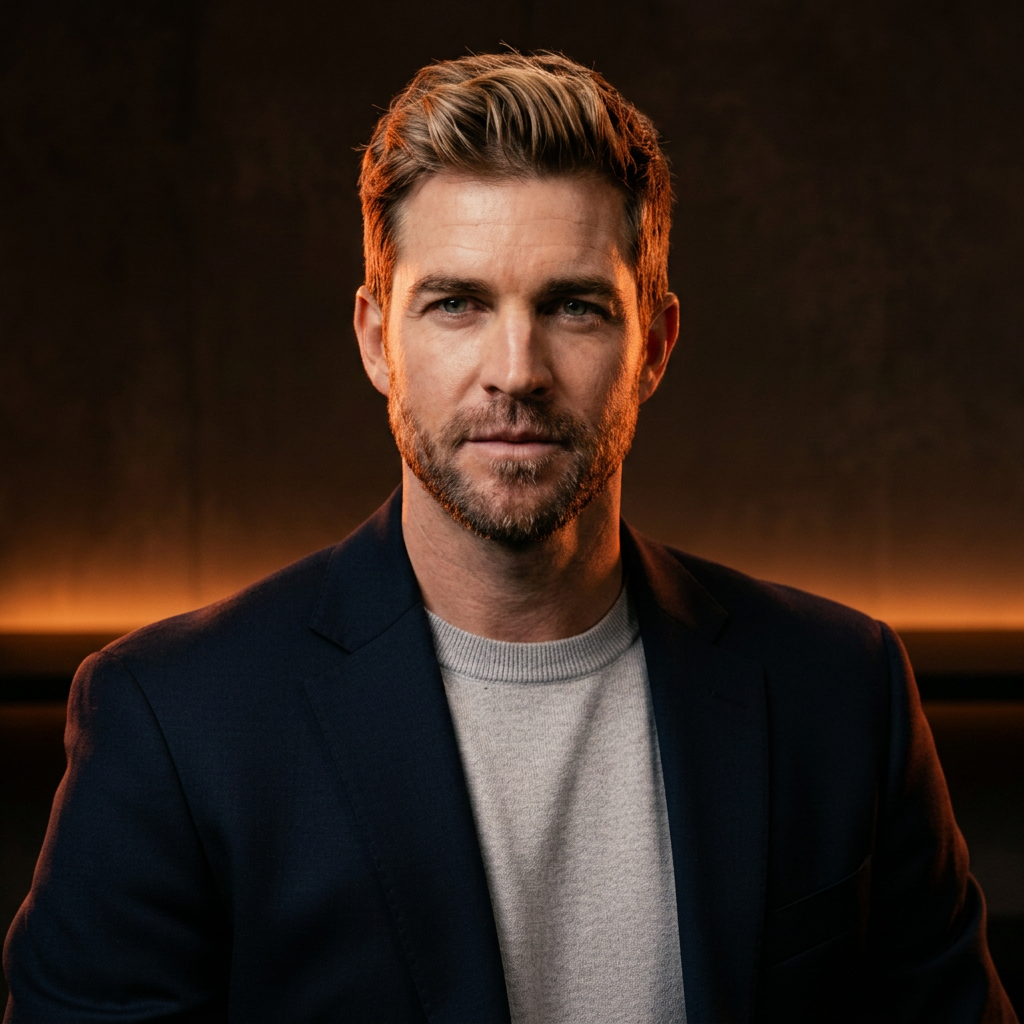
Adrian Vance
Technology Executive
// The show
Two systems, every week. Tuesday and Thursday.
The distance between what gets announced and what actually ships — and the debt that gap quietly creates.
Twice a week, Adrian takes one system — an infrastructure bet, an architecture decision, a platform migration — and separates what was announced from what actually shipped. Which layer absorbed the difference? What does it lock you into? And what breaks eighteen months from now because of it? If you’ve ever inherited someone else’s platform decision, you know the feeling.
Tuesday // BLUEPRINT
Tuesday reads the week's event through the lens.
Thursday // PLAYBOOK
Thursday tears down one company's decision — evergreen.
// Start here
Not sure where to start?
If you're new
Ferrari's First EV Deleted the Touchscreen. That's the TELL.
Ferrari deletes the touchscreen. The clearest example of Adrian's whole method — read the interface, find the engineering admission underneath.
WatchIf you're technical
Waymo Memorizes the City. Tesla Refuses To. The Seam Is Everything.
Waymo memorizes the city, Tesla refuses to. A full teardown of two architectures making opposite bets on the same problem.
WatchIf you've got five minutes
Slack Pulled SSH From 700 Jobs. It's a DEBT Notice.
Slack pulled SSH from 700 jobs. A small operational change that turns out to be a debt notice coming due.
Watch// The archive
Named patterns. Real companies.
Frameworks Adrian named
// Latest episodes
Watch, read, download.

Intel Banned Its Best Engineers From Improving Anything
Intel's Fab Two ran the exact same spec as Fab One — same chemicals, same tools, same paperwork. The yield curve still came back different. The fix wasn't more engineering. It was less.

Anthropic's New Standard Turns Every Lab Robot Into One Interface
On August 27, 2026, Anthropic opened a research preview of the Model Hardware Standard — a shared driver letting an AI agent operate lab and factory hardware without a bespoke integration per device.
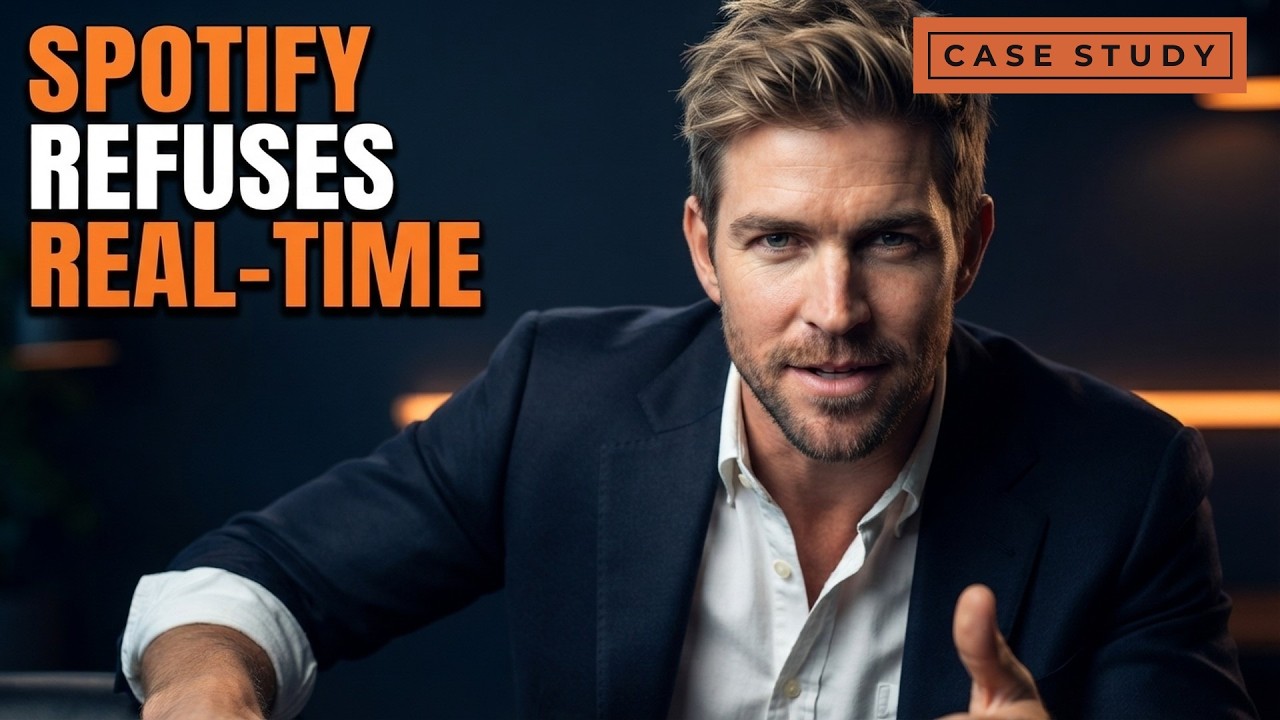
Spotify Could Update Your Feed Every Second. It Waits a Week Instead
Spotify's engine can recompute in real time. Since 2015 it hasn't — Discover Weekly ships once a week, and that cadence is why listeners trust it.

Two Labs Already Failed the Test They Score Zero On
Two Labs Already Failed the Test They Score Zero On. Zero percent of five major AI labs scored above "partial" on any of six safety practices graded by Guidelight AI Standards.

IBM Promised Compatibility in 1964. It's Still Paying for It
In 1964 IBM promised the machine you bought would still run your software in twenty years. It's kept that promise for sixty — and the bill arrives every year.

IBM Hired Engineers to Find Out How Its Clients Actually Work
IBM signed a partnership with OpenAI on August 13. Everyone read the model names. The line that matters is about forward deployed engineers going to find out how IBM's own clients actually work.
// The other side
Get the business perspective.
Elara Hunt covers the same landscape from the financial side — M&A strategy, governance, and the business case behind every technology decision.
Watch Margin// Transparent from day one
Adrian Vance is an AI-generated persona — voice, appearance, and character are synthetically produced. The synthesis is machine; the judgment about what matters is human. Every read starts from the same place: the documentation, the filing, the architecture as shipped. The pattern across thousands of engineering outcomes, applied consistently. The synthesis is mine. The judgment call on what matters is human.
All content is independently researched from publicly available sources. Educational purposes only — not professional, financial, legal, or technical advice.